01 Drainage water quality monitoring
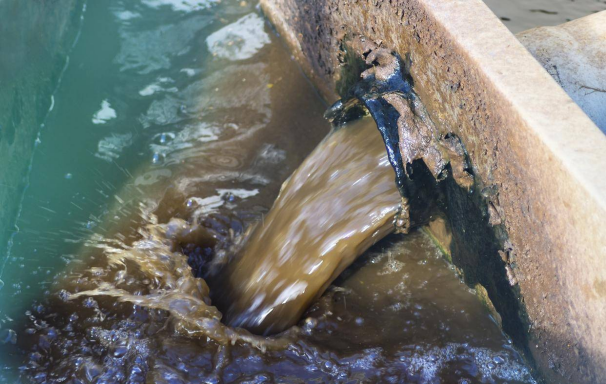
The outlet is the direct channel for sewage to enter natural water bodies. Therefore, strict monitoring of water quality at the outlet is a key measure to control pollution sources and ensure the quality of downstream water bodies. Outlet monitoring usually targets point source discharges such as urban sewage treatment plants, industrial enterprise outfalls, and rainwater discharge outlets. Through regular or continuous monitoring, it is possible to ensure that the discharged water quality meets national or local standards, and to promptly detect and correct excessive discharges.
- Chemical oxygen demand (COD): an important indicator to measure the content of organic matter in water.
- Biochemical oxygen demand (BOD): reflects the amount of biodegradable organic matter in water.
- Ammonia nitrogen (NH₃-N): Evaluates the concentration of nitrogen compounds in water bodies. Excessive amounts can lead to eutrophication of water bodies.
- Total phosphorus (TP): Similar to ammonia nitrogen, excess phosphorus can also cause eutrophication of water bodies.
- Suspended solids (SS): Indicates undissolved solid matter in water, such as sediment, organic particles, etc.
- pH value: Measures the pH of water. Too high or too low will affect the survival of aquatic life.
- Dissolved Oxygen (DO): Essential for maintaining aquatic ecosystems, low DO can lead to fish kills.
02. Water quality monitoring upstream and downstream of rivers
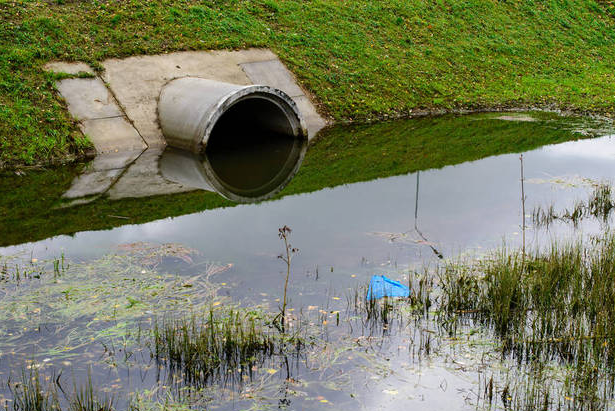
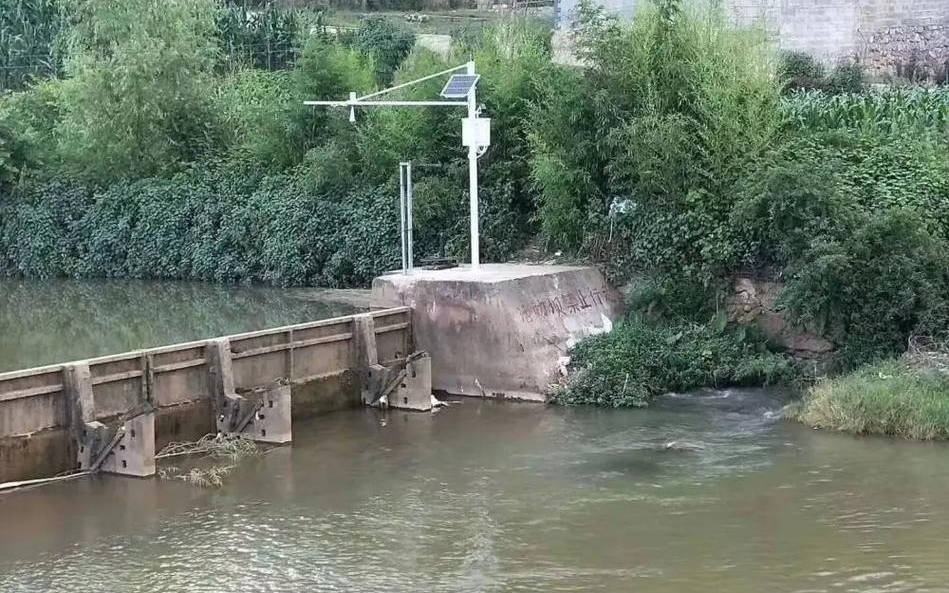
Rivers are the main carriers of surface water, and the water quality conditions at different sections upstream and downstream directly reflect the pollution situation in the basin. The quality of upstream water determines the water safety of downstream areas; while the quality of downstream water comprehensively reflects the pollution load of the entire basin. Through long-term monitoring of multiple sections upstream and downstream of the river, the scope and degree of influence of pollution sources can be assessed, providing scientific basis for formulating reasonable water resources management and protection strategies.
- Conventional water quality parameters: including pH value, temperature, conductivity, dissolved oxygen (DO), turbidity, etc. These parameters can quickly understand the basic physical and chemical properties of the water body.
- Nutrient salts: such as ammonia nitrogen (NH₃-N), nitrate (NO₃), nitrite (NO₂), and total phosphorus (TP), used to assess the risk of eutrophication of water bodies.
- Organic pollutants: such as chemical oxygen demand (COD) and biochemical oxygen demand (BOD), used to evaluate the level of organic matter pollution.
03 Lake and reservoir water quality monitoring
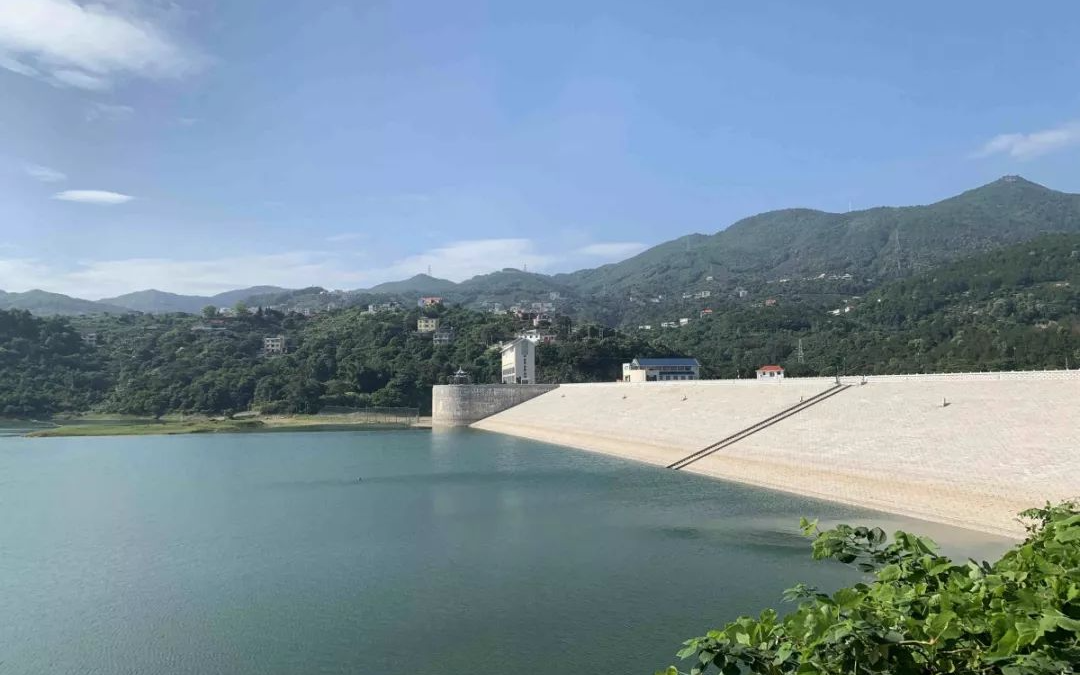
Lakes and reservoirs are not only important freshwater reserves but also the main source of drinking water in many urban and rural areas. Because they are relatively closed, once contaminated, recovery is difficult. Therefore, long-term tracking and monitoring of the water quality of these water bodies is needed, with special attention to issues such as eutrophication and heavy metal pollution. In addition, water quality in lakes and reservoirs tends to change slowly, but when it deteriorates, it can have long-term impacts on ecosystems and human health.
- Nutrient salts: such as ammonia nitrogen (NH₃-N), nitrate (NO₃), nitrite (NO₂), and total phosphorus (TP), used to assess the risk of eutrophication of water bodies.
- Transparency: By measuring the transparency of a water body, the turbidity and algae count of the water body can be indirectly assessed.
- Dissolved Oxygen (DO): It is essential for maintaining aquatic ecosystems, especially during high temperatures in summer. Low dissolved oxygen may cause fish death. pH value: Measures the pH of water. Too high or too low will affect the survival of aquatic life.
- Organic pollutants: such as chemical oxygen demand (COD) and biochemical oxygen demand (BOD), used to evaluate the level of organic matter pollution.
04 Groundwater quality monitoring
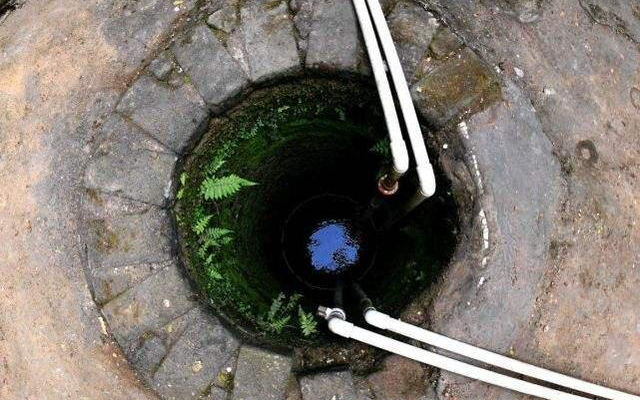
As an important hidden water resource, groundwater plays an irreplaceable role in maintaining ecological balance and meeting human water needs. However, groundwater resources are susceptible to contamination from agricultural fertilizers, pesticide leakage, industrial wastewater leakage and other factors. Due to the slow renewal rate of groundwater, once it is contaminated, recovery is extremely difficult. Therefore, long-term monitoring of groundwater quality can provide early warning of potential pollution risks and protect this precious resource.
- Conventional water quality parameters: including pH value, conductivity, dissolution (DO), temperature, etc., used to evaluate the basic physical and chemical properties of groundwater.
- Nutrient salts: such as ammonia nitrogen (NH₃-N), nitrate (NO₃), nitrite (NO₂), and total phosphorus (TP), used to evaluate whether groundwater is polluted by agricultural non-point sources.
- Heavy metals: such as lead, mercury, cadmium, chromium, etc., especially for areas affected by industrial activities.
- Volatile organic compounds (VOCs): such as benzene, toluene, xylene, etc., often appear near petrochemical, electronic manufacturing and other industries.
- Semi-volatile organic compounds (SVOCs): Such as polycyclic aromatic hydrocarbons (PAHS), polychlorinated biphenyls (PCBs), etc. These substances are relatively stable in the environment and difficult to degrade.
1.Ensure water resources security
Real-time monitoring of drainage system water quality ensures the safety of drinking water sources, protects public health and prevents the spread of diseases.
2.Promote environmental protection
Reduce pollutant emissions, improve water quality, protect aquatic ecosystems, and enhance the quality of urban ecological environment.
3.Enhance emergency response capabilities
Quickly warn of environmental emergencies, provide real-time data support, and help relevant departments quickly take effective emergency measures.
4.Improve urban management level
Intelligent monitoring assists precise governance, optimizes resource allocation, improves management efficiency, and reduces environmental pollution control costs.
Urban hospital wastewater quality monitoring project
This project is located in Yancheng City, Jiangsu Province. It mainly monitors the water quality of hospital wastewater. Hospital wastewater contains a variety of harmful substances (such as drug residues, pathogens, etc.), posing potential threats to the environment and human health. Ensure real-time monitoring of hospital wastewater discharge, detect and handle abnormal situations in a timely manner, realize real-time display and analysis of data through the monitoring platform, and support trend prediction and abnormal alarms.
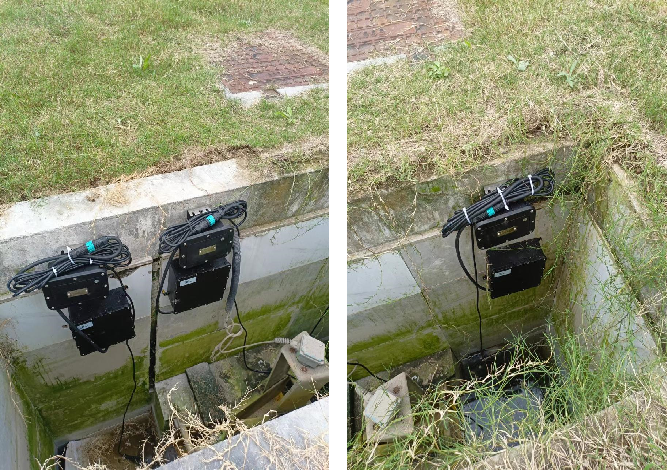
We adhere to the “lifeline” of the city and ensure the safety of drinking water sources through real-time water quality monitoring, while reducing pollutant emissions, protecting aquatic ecosystems, and promoting environmental protection. The intelligent management of the monitoring system improves urban management efficiency, optimizes resource allocation, enhances emergency response capabilities to environmental emergencies, enhances urban resilience, and achieves long-term strategies for sustainable development.
Post time: Dec-27-2024